
What causes a thick neck? Weight gain and fat storage around the neck cause most cases. Aging, genetics, and intentional muscle-building play a role too. Certain medical conditions can cause it as well.
For most people, a wider neck simply reflects extra body fat. Skin also loses elasticity naturally over time. For some people, though, a thick neck signals something else. It can point to a hormonal imbalance, a higher sleep apnea risk, or added strain on the heart. That’s why it’s worth digging into the real cause.
This guide breaks down what causes a thick neck. It explains when the cause is more than extra weight. It also covers what U.S. adults can do about it, from simple lifestyle changes to non-surgical procedures.
Key Takeaways
- A thick neck usually comes from weight gain, aging skin, or genetics, not a single disease.
- Men with a neck of 17 inches (43 cm) or more face higher cardiovascular risk. So do women with 14 inches (35.5 cm) or more, even at a normal BMI.
- Cushing’s syndrome, Turner syndrome, and Acanthosis nigricans can also thicken the neck. See a doctor if you notice these signs.
- Diet, targeted exercise, posture support, and treatments like CoolSculpting can reduce neck fat once you rule out other causes.
What Counts as a “Thick Neck”?
Before we cover what causes a thick neck, let’s define one. No single number makes a neck “thick.” Still, doctors use neck circumference as a quick screening tool.
To measure it, wrap a soft tape measure around the base of your neck, just below your Adam’s apple. Keep the tape level and snug, not tight. The whole check takes less than a minute.
A 2025 review of neck-size research found a clear pattern (The Conversation, 2025). Men with a neck circumference of 17 inches (43 cm) or more face higher rates of high blood pressure and atrial fibrillation. Their heart failure risk rises too. Women face the same risk at 14 inches (35.5 cm) or more. This risk holds even when BMI looks normal. Researchers think fat around the neck releases fatty acids straight into the bloodstream. That can disrupt cholesterol levels and heart rhythm more than fat in other areas.
In other words, neck size isn’t just about looks. It’s a rough proxy for how your body distributes upper-body fat, and that’s worth paying attention to.

Common Causes of a Thick Neck
So, what causes a thick neck day to day? Four everyday factors explain most cases.
Weight Gain and Obesity
Weight gain is the single biggest cause of a thick neck. When your body stores excess fat, it doesn’t spread evenly. Some people gain fat around the belly. Others gain it around the hips. Many carry extra weight in the face, chin, and neck. Men often store upper-body fat around the chest and neck instead of the hips and thighs. Doctors call this an “android” fat pattern. That’s one reason overweight men develop a thick neck more often.
Aging and Skin Elasticity
As you age, your skin makes less collagen and elastin. These proteins keep skin firm and tight. Combined with gravity and years of sun exposure, this process lets skin under the chin and around the neck sag. The result: a thicker-looking neck, and often a double chin, even without much weight gain.
Genetics
Genetics shape where your body stores fat and how your neck and jawline look. Some people simply carry more fat in the face and neck by nature, regardless of their weight or fitness level.
Intentional Muscle Development
Not every thick neck comes from fat. Athletes, wrestlers, and bodybuilders often build thicker necks on purpose. They train the trapezius and the neck’s flexor and extensor muscles directly. Boxer Mike Tyson famously built his neck with neck bridges and isometric holds. That training boosted both his neck size and his ability to absorb punches. A muscular thick neck like this signals training, not a health problem. People usually judge it against someone’s overall build, not a fixed measurement.
Medical Conditions That Can Cause a Thick Neck
Lifestyle factors explain most cases. Medical conditions explain a smaller share of what causes a thick neck. A few conditions can cause or speed up neck thickening. They’re worth knowing about, especially if your neck grows quickly or other symptoms show up.
Cushing’s Syndrome
Cushing’s syndrome happens when your body gets too much cortisol. Long-term use of glucocorticoid medications, often prescribed for asthma or arthritis, can trigger it. So can a tumor on the pituitary or adrenal glands that pushes the body to overproduce cortisol. The Mayo Clinic lists classic signs: a fatty hump between the shoulders (a “buffalo hump”) and a round or “moon” face. Other signs include thin arms and legs despite central weight gain, plus purple stretch marks and easy bruising. Excess cortisol drives fat straight to the neck, face, and upper back. If your neck thickens quickly alongside these signs, see a doctor.
Turner Syndrome
Turner syndrome affects only females. It happens when part or all of one X chromosome goes missing from the body’s cells. Doctors usually identify it in childhood. It typically shows up with short stature, heart and kidney differences, and a distinctive “webbed” neck. Extra fluid and skin folds create that webbed look during fetal development. Because it’s a congenital condition, it rarely explains a thick neck that appears later in life. Still, it’s a well-documented cause in girls and young women.
Buffalo Hump and Acanthosis Nigricans
A “buffalo hump” is a soft fat pad at the base of the neck and upper back. It can appear on its own with weight gain and aging. It can also appear alongside Cushing’s syndrome or long-term steroid use. Acanthosis nigricans often shows up with it. This condition creates dark, thickened, velvety skin patches. They show up most often at the back and sides of the neck, the armpits, and the groin. Insulin resistance and high blood sugar frequently drive Acanthosis nigricans. Mention it to a healthcare provider, especially alongside a thickening neck.
Health Risks Linked to a Thick Neck
A larger neck isn’t a diagnosis on its own. But it does carry real health risks worth taking seriously:
- Cardiovascular strain: A larger neck circumference correlates with higher blood pressure, atrial fibrillation, and heart failure risk. This holds true independent of overall body weight.
- Obstructive sleep apnea: Extra soft tissue around the neck and throat can narrow your airway during sleep. Clinicians use neck circumference as one screening measurement for sleep apnea risk.
- Metabolic syndrome: Research links neck fat to insulin resistance and elevated triglycerides. Both are markers of metabolic syndrome, a condition cluster that raises your risk of type 2 diabetes and heart disease.
When to See a Doctor
Weight and aging explain most cases of a thick neck. Most people don’t need medical treatment beyond general health management. Still, book an appointment if you notice:
- Rapid neck thickening over weeks or months, without a matching change in overall weight
- A visible lump or fat pad at the back of your neck (a buffalo hump), alongside a rounded face or unusual bruising
- Dark, velvety skin patches on your neck, armpits, or groin
- Loud snoring, gasping during sleep, or daytime fatigue, all possible signs of sleep apnea
- A family history of Turner syndrome or another genetic condition
A primary care provider can order basic bloodwork. They can also refer you to an endocrinologist or sleep specialist if needed.
How to Reduce a Thick Neck: Treatment and Lifestyle Options
Rule out a medical cause first, or treat it if you find one. After that, most people can meaningfully reduce neck thickness. The strategies below work well together.
Diet and Weight Management

Neck fat usually tracks with overall body fat. Gradual, sustainable weight loss tends to work best long-term. Aim for a modest calorie deficit, more protein and vegetables, and less added sugar. You can’t spot-reduce fat from one area on demand. But overall fat loss often shows up in the face and neck first. Fat sits there in a thin, visible layer. A body fat caliper can help you track your progress beyond the scale. It covers strategies that work well alongside a neck-focused routine.
Targeted Neck Exercises
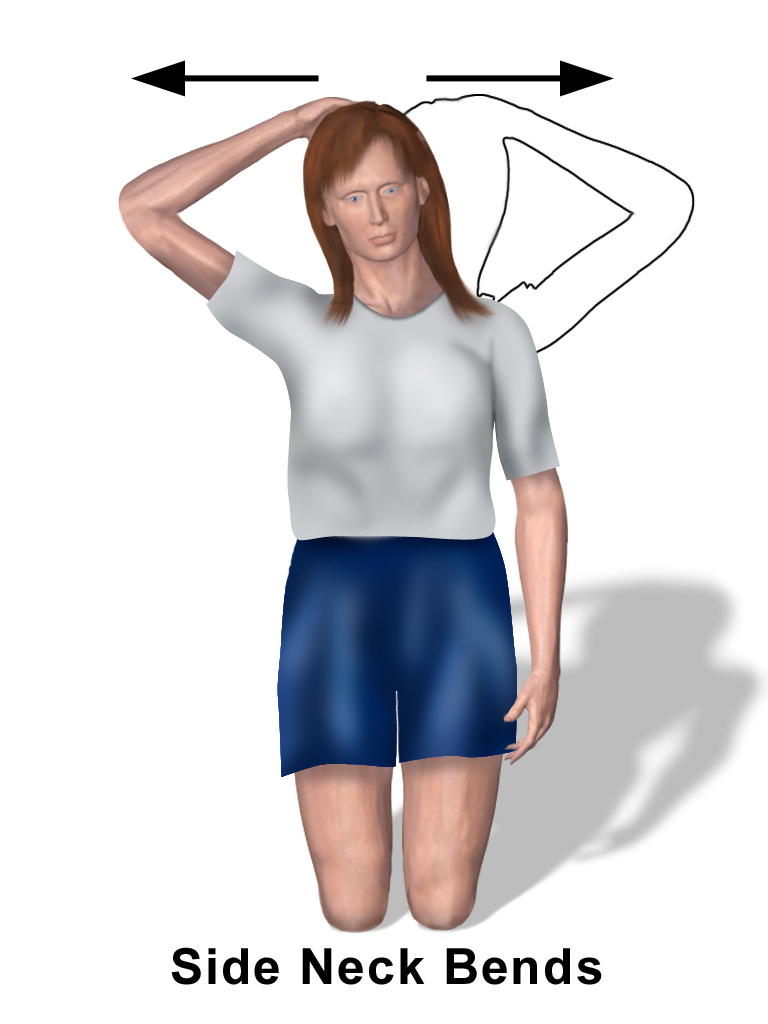
Exercise alone won’t melt fat from one specific spot. But strengthening your neck muscles and improving your posture can visibly tighten the area. It can also reduce the look of sagging skin. Try simple, low-risk moves: neck bends and rotations, chin tucks, and gentle resistance holds. Poor posture can also make your neck look thicker than it is. The forward-head position common with desk work and phone use is a common culprit. Pair neck work with general upper-back and shoulder mobility for better results. Dealing with neck pain rather than just appearance? Check our step-by-step guide to using an inversion table for neck pain.
The video below covers several non-surgical ways to reduce neck fat and a double chin. It includes exercises and at-home habits that support the process.
Posture and Support
Sleeping position and daily posture both shape how your neck looks and feels over time. Sleeping with your neck twisted or unsupported can create muscle imbalance and puffiness. Many people find a supportive pillow or a neck brace for sleeping helpful for overnight alignment. During the day, a neck support brace can help correct forward-head posture. A handheld back and neck massager can also ease the muscle tension that often comes with desk work. Small daily habits like these add up over time.
Non-Surgical Procedures: CoolSculpting and Ultherapy

Two FDA-cleared, non-surgical options work well for fat that resists diet and exercise. Providers commonly use them across the U.S.:
- CoolSculpting (cryolipolysis): This treatment freezes and gradually breaks down fat cells under the chin and around the neck through controlled cooling. A typical session takes 45 to 55 minutes. Your body naturally clears those fat cells over the following weeks.
- Ultherapy: This treatment uses focused ultrasound energy to stimulate collagen production in your skin. That can tighten loose or sagging skin around the neck and jawline, rather than reduce fat volume directly.
Both procedures are outpatient, with minimal downtime, but results and candidacy vary by person. Look for a licensed provider (a board-certified dermatologist, plastic surgeon, or a physician-supervised med spa) if you’re considering either option. Ask to see their own patients’ before-and-after photos rather than relying on manufacturer marketing alone.
Treating an Underlying Medical Condition
If Cushing’s syndrome, insulin resistance, or another medical condition drives your thick neck, treat the underlying cause first. Medication, surgery, or hormone management may be the priority. Cosmetic treatments won’t resolve neck thickening from an active hormonal condition. That’s why ruling out these causes matters first. Your doctor can help you weigh the right next step for your situation.
Frequently Asked Questions
What causes a thick neck?
Weight gain, aging skin, and genetics cause most thick necks. A medical condition, like Cushing’s syndrome or Turner syndrome, causes it less often. Intentional neck-muscle training in athletes and bodybuilders can cause it too.
Is a thick neck always a sign of a health problem?
No. Weight, aging skin, or genetics explain most thick necks, without any underlying illness. Medical causes like Cushing’s syndrome are relatively uncommon. Still, rule them out if the change happens fast or comes with other symptoms.
Can losing weight reduce neck fat?
Yes, for most people. Neck fat generally tracks with overall body fat. Gradual weight loss through diet and exercise tends to reduce neck thickness over time. You still can’t target fat loss to one specific area.
What neck size counts as a health risk?
Research links a neck circumference of 17 inches (43 cm) or more in men to higher cardiovascular risk. The same goes for women at 14 inches (35.5 cm) or more, independent of BMI.
Do neck exercises actually make a difference?
Neck exercises won’t burn fat directly. But they can strengthen and tone the muscles underneath. They also improve posture and reduce the look of sagging skin, especially alongside overall weight management.
When should I see a doctor about a thick neck?
See a doctor if your neck thickens quickly without a matching weight change. Also see one if you notice a fat pad at the back of your neck with a rounded face, or dark velvety skin patches. Sleep apnea symptoms like loud snoring and daytime fatigue are another red flag.
Bottom Line
What causes a thick neck usually comes down to an ordinary mix: weight gain, aging, and genetics. Still, don’t dismiss it automatically. A small number of cases point to real medical conditions, like Cushing’s syndrome, Turner syndrome, or insulin resistance. These deserve proper diagnosis and treatment, not a cosmetic fix.
If your neck size changed gradually alongside your overall weight, start with lifestyle changes, targeted exercise, and supportive posture habits. Non-surgical procedures like CoolSculpting offer a more direct approach if you want one. If the change came on fast, unexplained, or with other symptoms, see a doctor first. Don’t try to treat it yourself.

Hi, I’m Mamon, the content creator behind this blog. I share my experience in blogging, WordPress, SEO, and affiliate marketing through honest product reviews, in-depth buying guides, and practical how-to articles. Every piece of content is thoroughly researched and written to help readers make informed decisions.
Leave a Reply